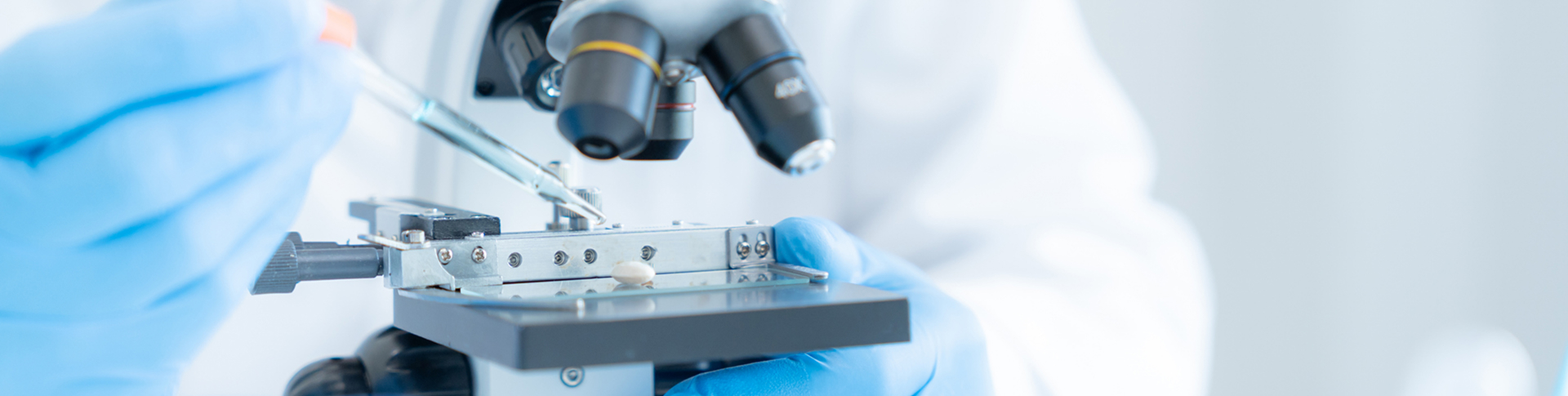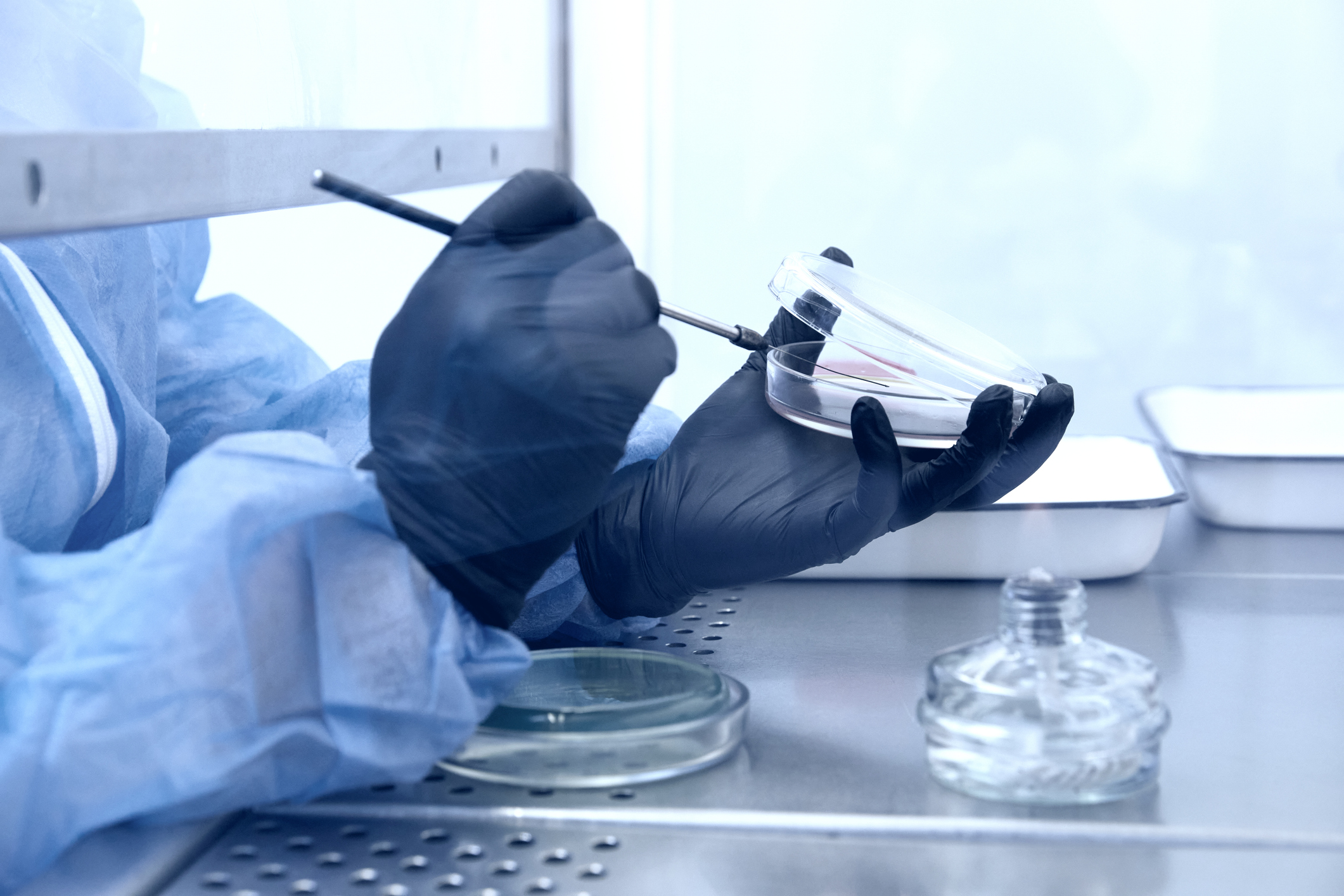
Good Manufacturing Practices (GMP) microbiological equipment cleaning validation provides documented evidence that your cleaning methods effectively reduce bioburden and remove product and cleaning agent residues to defined levels. This plays a critical role in determining whether your cleaning and sanitiation processes are effective.
With decades of experience in microbiological testing, Perritt Laboratories combines a world-class quality system with tailored solutions and comprehensive environmental monitoring and testing services. Companies worldwide have trusted our data for decades, and we offer the robust documentation you need for internal decision-making and regulatory compliance.
Effective cleaning validation helps reduce the risk of microbial contamination of finished products. It ensures your equipment and environment are as safe and reliable as possible, so you can develop products for consumers that align with regulatory requirements, including Food and Drug Administration (FDA) and Good Manufacturing Practice (CGMP) standards.
Cleaning validation in the pharmaceutical industry and other regulated sectors can provide the information you need to adjust your cleaning and sanitization processes when introducing a new process or changing cleaning agents, equipment, or procedures.
At Perritt Laboratories, our FDA-registered, cGMP-compliant, and ISO 17025:2017 laboratory environment allows us to perform robust cleaning validation studies. We work collaboratively with you and your team, starting by defining the worst-case conditions or the highest-risk factors in your operations.
We look for the hardest-to-reach complex equipment surfaces, the hardest-to-clean soils, and other potential factors. Our team also closely examines two types of hold time in your operations. Hold time evaluation includes both dirty hold time — the maximum allowable time between equipment use and the start of cleaning — and clean hold time — the maximum allowable time between the completion of cleaning and the next equipment use. Both are critical, as longer hold times can allow residue to dry or microbial proliferation to occur, making soils more difficult to remove.
Once we define worst-case conditions, we establish the sanitizing and cleaning procedures you use and verify their effectiveness using microbiological sampling methods such as:

We test for total microbial counts and, as needed, specific organisms. Regulatory requirements and risk assessments determine acceptance criteria. Our pharmaceutical equipment cleaning and validation studies determine whether cleaning is effective after dirty hold times and whether equipment meets microbiological requirements during clean hold times.
We offer bioburden testing to measure microbial load and support sterilization validation, as well as bioburden recovery validation to determine whether your methods effectively recover viable microbes. TOC (Total Organic Carbon) residue studies measure the amount of organic carbon-based contaminants remaining on equipment after cleaning.
Our studies determine whether your cleaning procedures meet GMP standards and help you create robust, reproducible, and data-backed systems.
Whether you manufacture beauty, personal care, or pharmaceutical products, your sanitation and cleaning processes are the frontline defense against product contamination. Perritt Laboratories is your partner in safety and compliance. Contact us for microbiological surface sampling and other tailored services.
Contact Us