

Preservatives are a critical defense against harmful microbial growth in non-sterile pharmaceuticals, cosmetics, and personal care products. Microbiologists use United States Pharmacopeia (USP) <51> antimicrobial effectiveness testing to evaluate how well your preservative system protects the product from contamination that can occur during repeated consumer use.
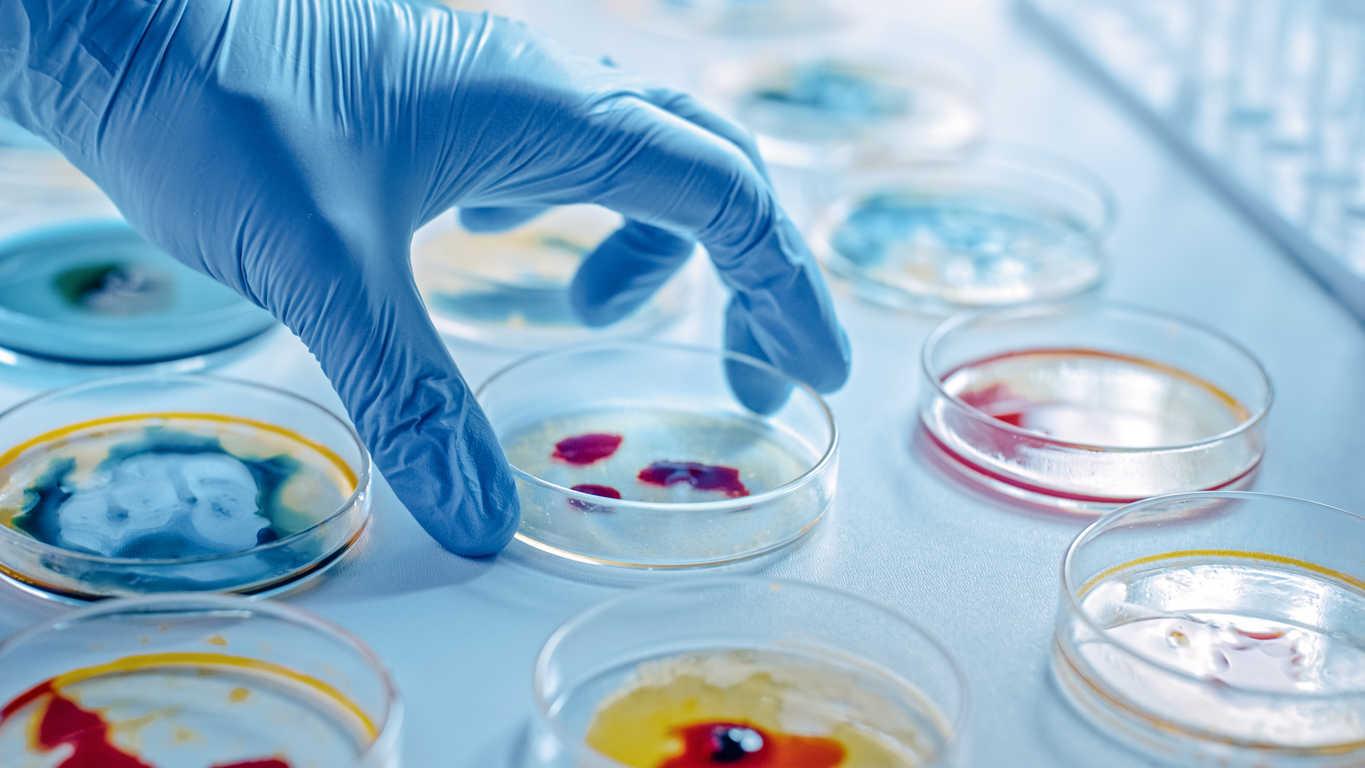
USP <51> is a standardized challenge test designed to evaluate a product’s preservative system. The process involves intentionally introducing high concentrations of specified microorganisms, including bacteria, yeast, and mold, into the product. Testing measures the preservative’s ability to reduce or control these organisms over a 28-day period. Through USP <51> antimicrobial effectiveness testing, microbiologists simulate contamination scenarios associated with routine product handling.
When preservative efficacy is not properly validated, the consequences can be severe. In 2026, Target voluntarily recalled its Up & Up baby wipes due to contamination with Burkholderia cepacia. The FDA classified the potential health outcomes as serious and life-threatening, particularly for immunocompromised individuals and infants.
These types of product safety events can lead to:
Reducing the risk of preservative failure starts with understanding the technical requirements. Passing USP <51> requires meeting specific microbial reduction and no-increase criteria at defined time points:
Scientists use these criteria to evaluate a preservative system’s effectiveness under standardized challenge conditions, providing key data to support its adequacy for the intended use period.
Even with clear criteria, preservative systems can underperform. Failure can often be traced to specific issues, such as:
Controlled challenge testing helps determine whether your preservative system is working as intended. Perritt Laboratories offers testing and consultative guidance through its FDA-registered, cGMP-compliant, and ISO 17025:2017-accredited laboratory, going beyond a simple pass/fail result.
If a system underperforms, experts investigate the root cause and identify potential solutions. We evaluate whether the issue stems from formulation pH, preservative concentration, packaging interactions, or raw material quality. For unique formulations, we also provide custom testing method development to help determine whether testing protocols are thorough and tailored to your product’s specific characteristics.
Partner with Perritt Laboratories for rigorous USP <51> testing. Contact our experts to learn how our microbiological testing services support product safety, consumer confidence, and brand protection.