

Child-resistant packaging is required by federal law under the Poison Prevention Packaging Act (PPPA) of 1970 and primarily enforced by the U.S. Consumer Product Safety Commission (CPSC). While powerful drugs and pesticides are widely expected to come with child-resistant packaging, the law also applies to some products you might not expect.
Child-resistant packaging is well-known for its use in the medical industry. Some of the medications and supplements you might expect to have special packaging include:
However, this is only the beginning. Many other commonly used items also require strict safety measures. Did you know that the following products require child-resistant packaging?
Children’s vitamins, children’s medications, and baby oils can cause serious harm if misused (some of which are packaged in colorful, inviting containers). When children’s products contain ingredients regulated by the PPPA, they require child-resistant packaging.
Child-resistant packaging isn’t just for powerful household products with warning labels — even some ‘natural’ cleaners qualify if they contain dangerous chemicals. Products that contain low-viscosity hydrocarbons, sodium hydroxide, potassium hydroxide, and other potentially dangerous ingredients must meet PPPA requirements if they exceed certain concentrations. Mouthwash, for example, must be packaged in accordance with these regulations.
Cannabis and vaping products are increasingly available in the home. These packages often have attractive packaging making them potentially dangerous to children. When products resemble foods, candy, or beverages, the risk of accidental ingestion increases significantly. The following products should have child-resistant packaging:
Cannabis packaging system testing and nicotine product packaging testing support packaging compliance.
Cosmetics and household products with 10% or more hydrocarbons may require child-resistant packaging due to the risk of chemical pneumonia if inhaled. Affected products can include:
If your products appear in 16 CFR §1700.14 of the PPPA, your products need CR package testing and child-resistant packaging. If you are the importer or packager, you must carry a General Certificate of Conformity (GCC). Manufacturers and those who package in-house are responsible for testing and certification.
Compliance is just the start. Any product with potential risk — whether listed or not — may warrant child-resistant packaging. Many products were added to 16 CFR §1700.14 after injuries and recalls demonstrated the need for safer packaging.
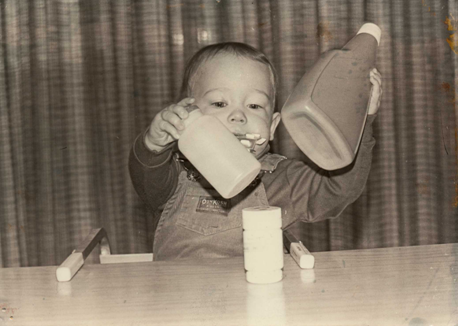
Child-resistant packaging is about more than making sure you can pass audits and avoid penalties. It can help you avoid costly recalls and reputational damage that can occur if your product harms someone. Young children are naturally curious and cannot recognize many product hazards. If they gain access to your product, they may open, ingest, or otherwise use it in unintended ways that can result in serious injury or poisoning. Child-resistant packaging provides an important first line of defense against these accidental exposures.
Here’s a simple breakdown of product categories that may need special packaging:
Check the Code of Federal Regulations and your state’s guidance to learn more about the requirements for your specific product.
Perritt Laboratories has tested thousands of different packaging systems with hundreds of thousands of participants since 1973. We have access to networks for testing panels and also offer senior-use effectiveness tests to ensure accessibility.
We are the pioneers and leaders in child-resistant package testing since its inception, accredited to perform child-resistant package testing and responsible for helping shape the testing protocols. We’re among the first independent testing laboratories to offer child-resistant package testing, and we remain one of the premier laboratories in this space.
Child-resistant package testing protects the most vulnerable in our communities and also protects your company. Contact us today to ensure your packaging meets PPPA standards and prioritizes safety.